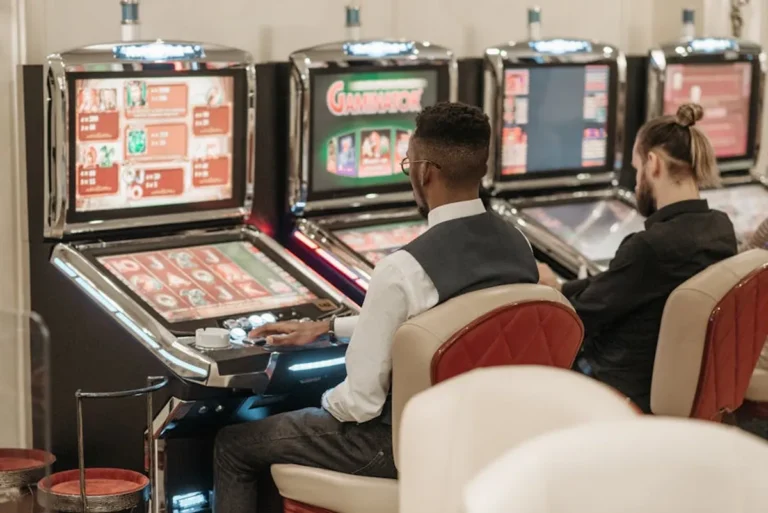
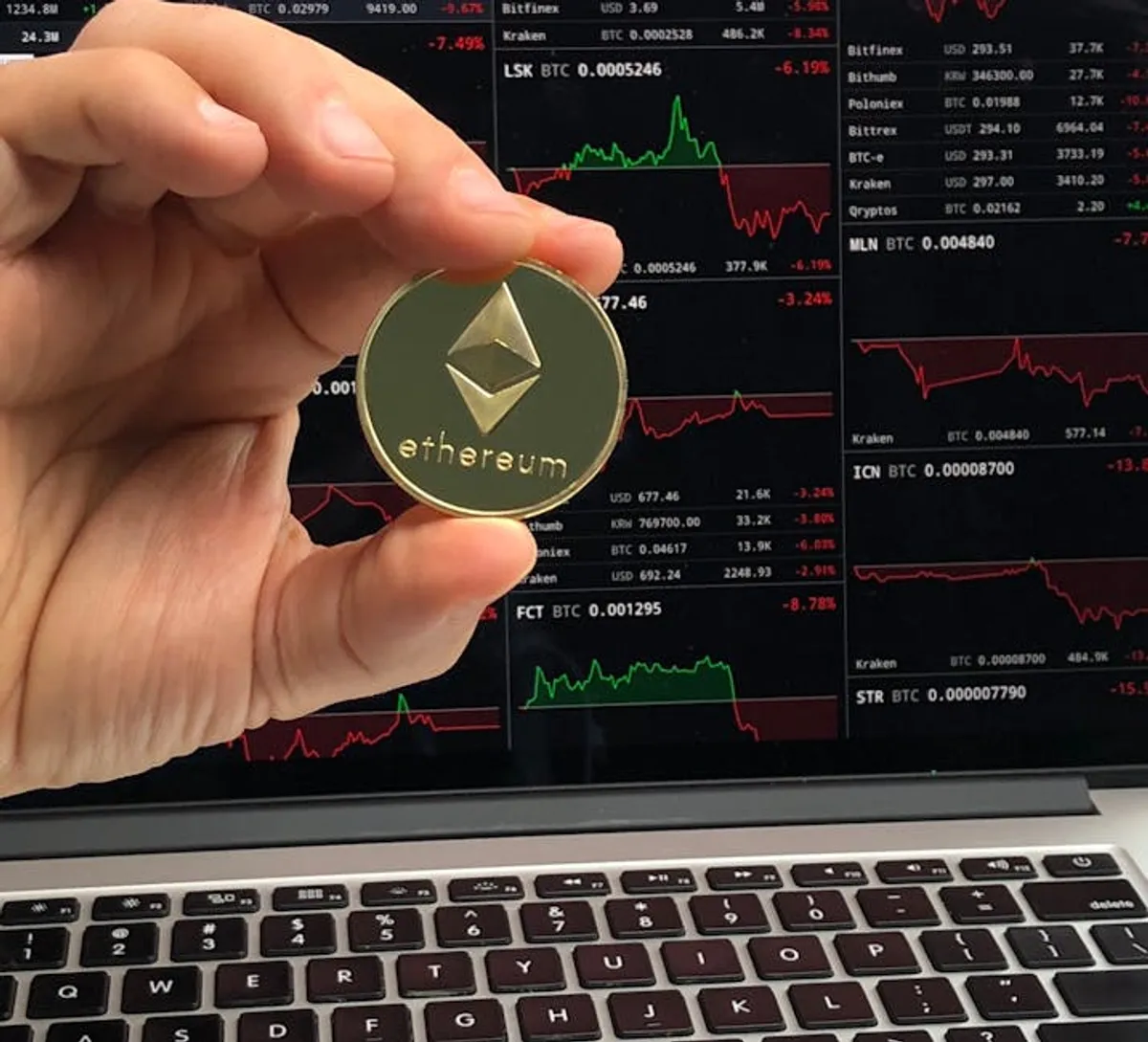
Ethereum casinos represent a distinct evolution in online gaming, moving beyond traditional centralized platforms by integrating blockchain technology. These platforms leverage the Ethereum network, primarily using its native cryptocurrency, Ether (ETH), for transactions and often smart contracts to govern game mechanics and payouts. The core appeal lies in addressing long-standing trust issues associated with conventional online casinos, offering verifiable fairness and enhanced transparency through decentralized operations. Understanding how these casinos function, their inherent advantages, and their specific challenges is critical for players considering this digital gaming environment.
How Ethereum Casinos Operate
At their foundation, Ethereum casinos utilize the Ethereum blockchain as a public, immutable ledger. This infrastructure enables transactions and game logic to be executed via smart contracts—self-executing agreements with the terms directly written into code. When a player places a bet or initiates a withdrawal, these actions are recorded on the blockchain, providing a transparent audit trail. ETH serves as the primary medium of exchange, facilitating deposits, wagers, and withdrawals directly between a player's crypto wallet and the casino's smart contracts. This direct interaction removes intermediaries, streamlining processes and enhancing security.
The Role of Smart Contracts in Gaming
Smart contracts are central to the integrity of Ethereum casinos. For games like dice or roulette, a smart contract can be programmed to generate random numbers and process outcomes based on predefined rules. This "provably fair" system allows players to independently verify the fairness of each game round, as the contract's code and execution are publicly accessible on the blockchain. Payouts are also automated via these contracts, ensuring that winnings are disbursed directly and without delay once game conditions are met. This automation reduces the potential for human error or manipulation, a common concern with traditional gaming operators.
Distinct Advantages of Ethereum Casinos
The integration of blockchain technology confers several operational and user-centric benefits that differentiate Ethereum casinos from their fiat counterparts.
- Enhanced Transparency and Provable Fairness: Game outcomes are determined by smart contracts on a public blockchain, allowing players to audit the fairness of each bet. This eliminates the need for trust in a centralized operator's random number generator, as the algorithm and its execution are verifiable.
- Increased Security and Anonymity: Transactions are conducted directly from a player's cryptocurrency wallet, bypassing traditional banking systems that often require extensive personal data. This reduces exposure to identity theft and financial fraud. While not entirely anonymous due to blockchain traceability, the lack of mandatory KYC (Know Your Customer) procedures on many platforms offers a higher degree of privacy.
- Faster Transactions and Reduced Fees: Deposits and withdrawals using ETH typically process significantly faster than traditional bank transfers or credit card payments, often within minutes. While gas fees are part of Ethereum transactions, they can be competitive, especially for international transfers, and are transparently displayed before confirmation.
- Global Accessibility: Ethereum casinos are less constrained by geographical banking restrictions that often limit traditional online gambling. Anyone with an internet connection and an Ethereum wallet can typically participate, opening up gaming opportunities in regions where traditional options are limited or unavailable.
Pro Tip: Always verify the smart contract addresses and audit reports of any Ethereum casino claiming "provably fair" games. Reputable platforms will provide links to their contract code on block explorers like Etherscan, allowing for independent verification of their fairness mechanisms.
Key Considerations for Players
Despite their advantages, Ethereum casinos present specific challenges and considerations that prospective players should evaluate.
Volatility of Ether (ETH)
The value of ETH can fluctuate significantly against fiat currencies. This volatility means that the fiat equivalent of a deposit or withdrawal can change rapidly, potentially impacting the real-world value of winnings or the cost of playing. Players must be comfortable with this inherent market risk.
User Experience and Technical Complexity
Setting up an Ethereum wallet, managing private keys, understanding gas fees, and interacting with decentralized applications can be more complex than using traditional online casino interfaces. This learning curve may deter users unfamiliar with cryptocurrency ecosystems.
Regulatory Landscape
The regulatory environment for cryptocurrency gambling is still evolving and varies widely by jurisdiction. While some platforms operate without traditional licenses due to their decentralized nature, others seek specific crypto gambling licenses. Players should understand the legal implications in their own region and assess the regulatory standing of the platform.
Types of Ethereum Casino Platforms
Ethereum casinos manifest in various forms, each offering a different blend of decentralization and traditional casino features.
Pure Decentralized Applications (DApps)
These platforms operate entirely on the Ethereum blockchain, with all game logic, random number generation, and payout mechanisms handled by smart contracts. They offer the highest degree of transparency and censorship resistance but may have simpler interfaces and a more limited range of games compared to hybrid models.
Hybrid Ethereum Casinos
Many popular Ethereum casinos adopt a hybrid model, combining a centralized backend for aspects like user interface, customer support, and a broader game library (including games from traditional software providers) with blockchain technology for deposits, withdrawals, and often specific provably fair games. This approach aims to balance the benefits of blockchain with a more familiar and feature-rich user experience.
Integrated Crypto Casinos
These are traditional online casinos that have expanded their payment options to include ETH alongside other cryptocurrencies and fiat currencies. While they accept Ethereum, their core operations, licensing, and game mechanics often remain centralized, with ETH primarily serving as an alternative payment method rather than being deeply integrated into the game logic via smart contracts.
Selecting an Ethereum Casino
Choosing a suitable Ethereum casino requires diligence, similar to selecting any online gaming platform, but with added crypto-specific considerations:
Licensing and Regulation: Prioritize platforms that hold a recognized gambling license, even if it's a crypto-specific one. This indicates a commitment to operational standards and player protection. For pure DApps, look for strong community reputation and verifiable smart contract audits.
Game Selection and Software Providers: Evaluate the variety and quality of games. Check if the casino partners with reputable software providers (for hybrid models) or offers a robust suite of provably fair games (for DApps). A diverse library ensures sustained engagement.
Bonuses and Promotions: Compare welcome bonuses, loyalty programs, and ongoing promotions, paying close attention to wagering requirements and terms specific to ETH deposits. Ensure these incentives offer real value.
Reputation and User Reviews: Research the platform's history, read user reviews on independent forums, and check for any reported issues regarding payouts, fairness, or customer service. A strong community reputation is a significant indicator of reliability.
Security Measures: Beyond blockchain's inherent security, investigate measures like two-factor authentication (2FA), cold storage for funds, and independent security audits of their smart contracts. These layers protect user assets.
Customer Support: Assess the responsiveness and quality of customer support. Given the technical nature of crypto, efficient assistance for wallet issues, transaction delays, or game inquiries is crucial.
Navigating the Ethereum Casino Landscape
Ethereum casinos offer a compelling alternative to traditional online gaming, characterized by enhanced transparency, security, and global accessibility. However, navigating this space demands an understanding of cryptocurrency volatility and technical nuances. By focusing on platforms with verifiable fairness, strong security protocols, and a clear operational model, players can leverage the unique benefits of blockchain gaming while mitigating potential risks. Diligent research into a casino's regulatory standing, reputation, and user experience is paramount for a secure and engaging experience.
Frequently Asked Questions
Are Ethereum casinos legal?
The legality of Ethereum casinos depends heavily on the specific jurisdiction of the player and the casino's operational base. While some countries have embraced crypto gambling, others maintain strict prohibitions. Players must verify local regulations before participating.
How do I deposit and withdraw Ether (ETH)?
To deposit, you typically send ETH from your personal cryptocurrency wallet to a unique address provided by the casino. Withdrawals involve requesting the casino to send ETH back to your wallet address. Both processes are executed on the Ethereum blockchain.
Are games on Ethereum casinos truly fair?
Many Ethereum casinos offer "provably fair" games, where the outcome can be independently verified by players using cryptographic hashes and blockchain records. This mechanism ensures fairness beyond the trust required in traditional casino random number generators.