
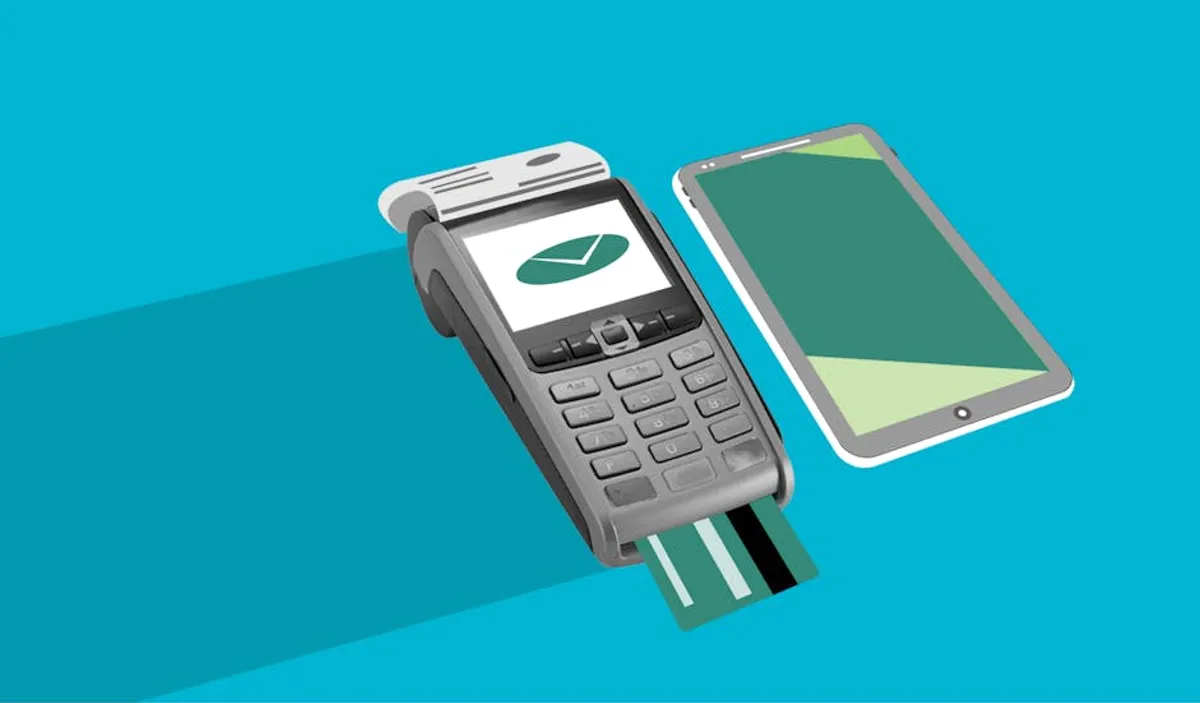
Selecting a payment method for online casino transactions involves evaluating trade-offs across speed, security, anonymity, and cost. For players navigating this choice, the decision between established card networks and emerging cryptocurrencies is a critical one, directly impacting the user experience and financial implications of their gaming activity. Understanding the specific operational differences and inherent advantages or disadvantages of each option is essential for making an informed selection.
Traditional Card Payments: Familiarity and Established Protections
Credit and debit cards, primarily Visa and Mastercard, represent the most widely adopted payment method in online casinos. Their ubiquity stems from decades of consumer trust and integration into global financial systems. Players typically link their card directly to their casino account, facilitating instant deposits.
- Instant Deposits: Funds are usually available for play immediately upon successful authorization.
- Widespread Acceptance: Nearly all online casinos support major card brands, simplifying the onboarding process for new players.
- Chargeback Protection: Card networks offer mechanisms for consumers to dispute unauthorized or fraudulent transactions, providing a layer of financial security not typically available with cryptocurrency.
- Ease of Use: The process is familiar to most users, requiring only card details and a security code.
However, traditional cards come with specific limitations. Withdrawal times are often protracted, ranging from 3 to 7 business days due to banking protocols and manual processing. Transaction fees, while sometimes absorbed by the casino for deposits, can apply to withdrawals or international transactions. Furthermore, card transactions are directly linked to a player's bank account, offering less privacy compared to decentralized alternatives. Banks may also flag or decline transactions to gambling sites, even in regulated markets, adding an unpredictable element to funding and withdrawing.
Best for: Players prioritizing convenience, established consumer protection, and who are comfortable with direct links to their banking institutions.
Cryptocurrency Payments: Speed, Privacy, and Decentralization
The integration of cryptocurrencies like Bitcoin (BTC), Ethereum (ETH), Litecoin (LTC), and various stablecoins into online casino platforms has introduced a paradigm shift in payment processing. These digital assets operate on decentralized blockchain networks, offering distinct advantages.
- Enhanced Privacy: Transactions are pseudonymous, identified by wallet addresses rather than personal banking information. This offers a higher degree of privacy for players.
- Faster Transactions: Cryptocurrency withdrawals, in particular, are significantly quicker than card-based methods, often processing within minutes to a few hours, depending on network congestion and casino policies.
- Lower Fees: Transaction fees for cryptocurrencies are typically fixed or very low, often a fraction of traditional banking fees, especially for international transfers.
- Global Accessibility: Cryptocurrency transcends national banking systems, allowing players worldwide to transact without geographical restrictions often imposed by traditional financial institutions.
The primary drawbacks of cryptocurrency payments include price volatility, especially for non-stablecoin assets, which can impact the real value of deposits and withdrawals. The irreversibility of blockchain transactions means there is no chargeback mechanism; once a transaction is confirmed, it cannot be undone. This places a greater onus on the user for security and accuracy. The initial setup of a crypto wallet and understanding blockchain mechanics can also present a learning curve for new users.
Best for: Players prioritizing transaction speed, lower fees, enhanced privacy, and who are comfortable managing digital assets and their inherent risks.
Pro Tip: When using cryptocurrency for casino payments, always double-check the recipient wallet address. Blockchain transactions are irreversible, meaning a mistake in the address will result in permanent loss of funds. For card payments, monitor your statements regularly for any unauthorized activity and understand your bank's dispute resolution process.
Key Differentiators in Practice
The choice between crypto and cards often boils down to specific operational priorities:
Transaction Speed
Card deposits are instant, but withdrawals can take days. Cryptocurrency deposits are also typically fast (after network confirmations), and withdrawals are often processed within hours, making them superior for players who value rapid access to their winnings.
Fees and Costs
Card transactions may incur percentage-based fees, particularly for international transactions or certain withdrawal types. Cryptocurrency fees are generally lower and fixed per transaction, regardless of the amount, making them more cost-effective for larger transfers.
Security and Fraud Protection
Cards offer chargeback options and bank-level fraud monitoring. Crypto transactions, while secured by cryptographic principles, lack a chargeback mechanism. User security for crypto relies heavily on personal wallet management and safeguarding private keys. However, the decentralized nature of crypto means transactions are less susceptible to centralized data breaches.
Privacy and Anonymity
Card transactions create a clear financial trail linked to personal identity and banking records. Cryptocurrency offers a higher degree of pseudonymity, as transactions are recorded on a public ledger but are not directly linked to a user's real-world identity unless a Know Your Customer (KYC) process is completed by the casino.
Volatility and Stability
Traditional fiat currencies linked to cards are generally stable. Cryptocurrencies, especially major ones like Bitcoin, can experience significant price fluctuations, impacting the value of funds held in a casino account or during the withdrawal process. Stablecoins mitigate this risk by pegging their value to fiat currencies.
Making Your Payment Choice
The optimal payment method aligns with a player's individual priorities and risk tolerance. If convenience, familiarity, and consumer protection are paramount, traditional card payments remain a reliable choice. However, for those seeking faster withdrawals, lower fees, greater privacy, and are comfortable with the nuances of digital assets, cryptocurrency offers a compelling alternative. Always verify the specific deposit and withdrawal policies, limits, and any associated fees directly with the online casino before committing to a payment method.
Frequently Asked Questions
Are crypto casino payments legal?
The legality of using cryptocurrency for online casino payments depends on the specific jurisdiction and its regulations regarding both online gambling and digital assets. It is crucial to verify local laws.
Which method is faster for withdrawals?
Cryptocurrency withdrawals are generally significantly faster, often completing within minutes to a few hours, compared to traditional card withdrawals which can take several business days.
Can I get a refund or chargeback with crypto?
No, cryptocurrency transactions are irreversible by design. Once a transaction is confirmed on the blockchain, it cannot be reversed or disputed through a chargeback mechanism like those available with credit cards.
What are the typical fees for each payment method?
Card payments can incur percentage-based fees, especially for international transactions or withdrawals, though deposits are often free. Cryptocurrency fees are usually lower and fixed, based on network congestion rather than transaction value.